Fallen Tree Removal in Allentown, PA
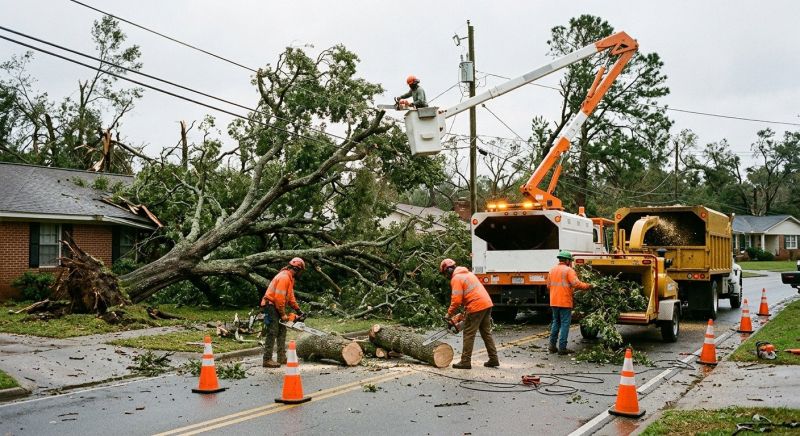
Fallen tree removal services involve safely and efficiently removing trees that have fallen, are leaning dangerously, or pose a risk to property or safety. This type of project typically includes clearing debris after storms, removing trees that have become hazardous due to disease or decay, and cleaning up after severe weather events. Homeowners often seek this service to prevent property damage, clear access to driveways or yards, and restore safety around their homes.
Before requesting fallen tree removal, property owners should consider the size and location of the tree, as well as any potential obstacles such as power lines or nearby structures. Understanding the scope of the project helps ensure proper planning and safety measures. Additionally, knowing whether the tree is entirely on the ground or partially leaning can influence the approach and equipment needed for removal. Proper assessment helps facilitate a smooth process and minimizes disruption to the property.
Many property owners in Allentown, PA look into Fallen Tree Removal for repairs, replacements, upgrades, and appearance-related improvements.
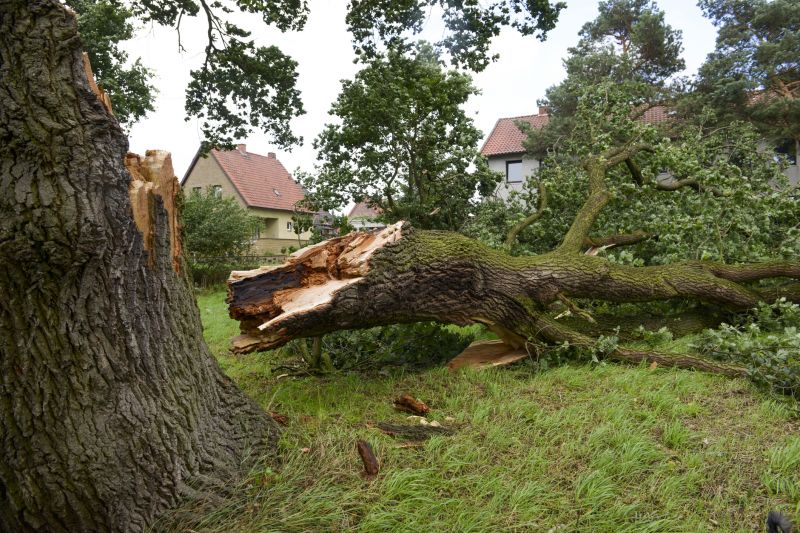
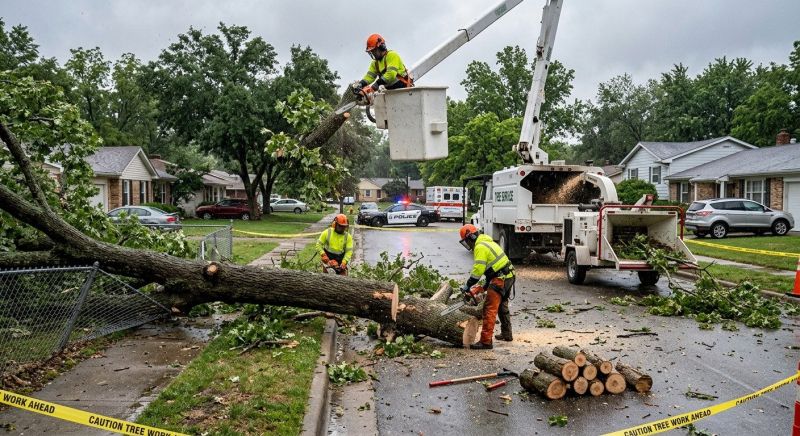
Emergency Tree Removal
Quickly clearing fallen or hazardous trees to ensure safety and prevent property damage.
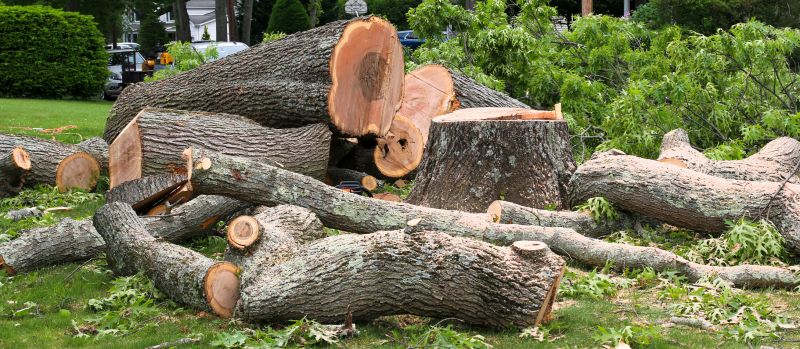
Stump Grinding And Cleanup
Removing tree stumps and debris to improve landscape appearance and prevent regrowth.
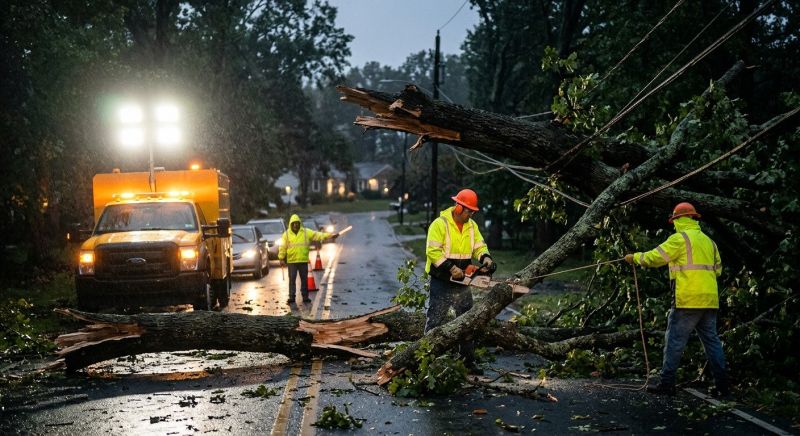
Tree Damage Assessment
Evaluating trees after storms or high winds to determine stability and necessary removal.
Fallen Tree Removal in Allentown, PA

Fallen tree removal services involve safely and efficiently removing trees that have fallen, are leaning dangerously, or pose a risk to property or safety. This type of project typically includes clearing debris after storms, removing trees that have become hazardous due to disease or decay, and cleaning up after severe weather events. Homeowners often seek this service to prevent property damage, clear access to driveways or yards, and restore safety around their homes.
Before requesting fallen tree removal, property owners should consider the size and location of the tree, as well as any potential obstacles such as power lines or nearby structures. Understanding the scope of the project helps ensure proper planning and safety measures. Additionally, knowing whether the tree is entirely on the ground or partially leaning can influence the approach and equipment needed for removal. Proper assessment helps facilitate a smooth process and minimizes disruption to the property.
Many property owners in Allentown, PA look into Fallen Tree Removal for repairs, replacements, upgrades, and appearance-related improvements.
Common Fallen Tree Removal Jobs
Emergency tree removal - safely removes fallen or hazardous trees after storms or storms.
Uprooting services - clears trees that are deeply embedded or causing foundation issues.
Selective tree removal - removes specific trees to improve landscape health and aesthetics.
Dead tree removal - eliminates trees that are dead or dying to prevent safety risks.
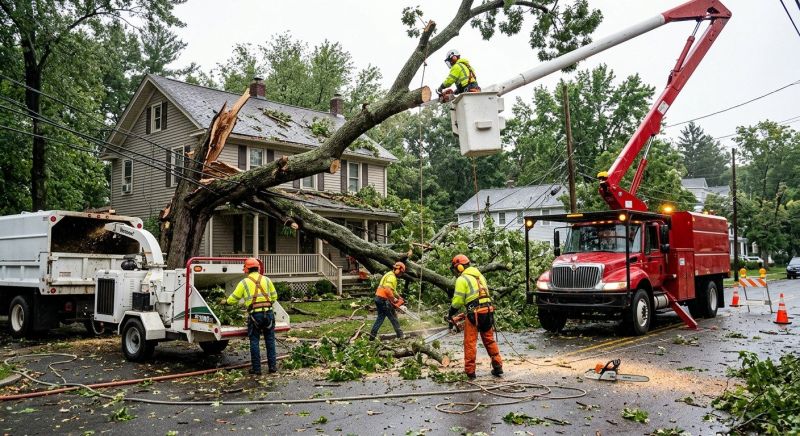
Storm damage cleanup - clears debris and fallen trees after severe weather events.
Tree thinning and pruning - reduces tree density to enhance safety and promote healthy growth.
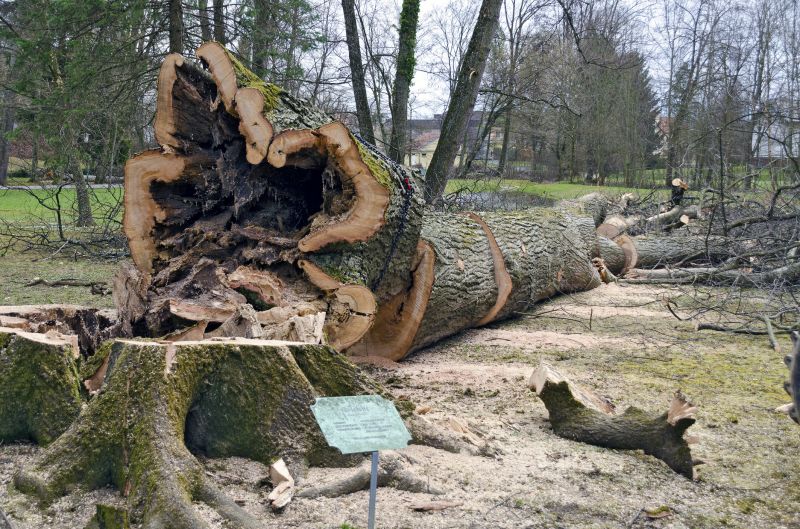
Fallen Tree Removal Questions
What types of trees can be removed? Tree removal services can handle a variety of tree species, including dead, damaged, or invasive trees that pose a risk to property.
Is fallen tree removal necessary after a storm? Yes, removing fallen trees helps prevent further property damage and clears the area for safety and future landscaping.
What should be done before tree removal? It’s important to clear the area of obstacles and inform nearby neighbors about the removal to ensure safety during the process.
Can a fallen tree be safely removed from tight spaces? Yes, specialized equipment and techniques can safely extract trees from confined or hard-to-reach areas.
Request Fallen Tree Removal in Allentown, PA
Use the quote form on this page to share the basics of your project and request more information for the type of work you need.